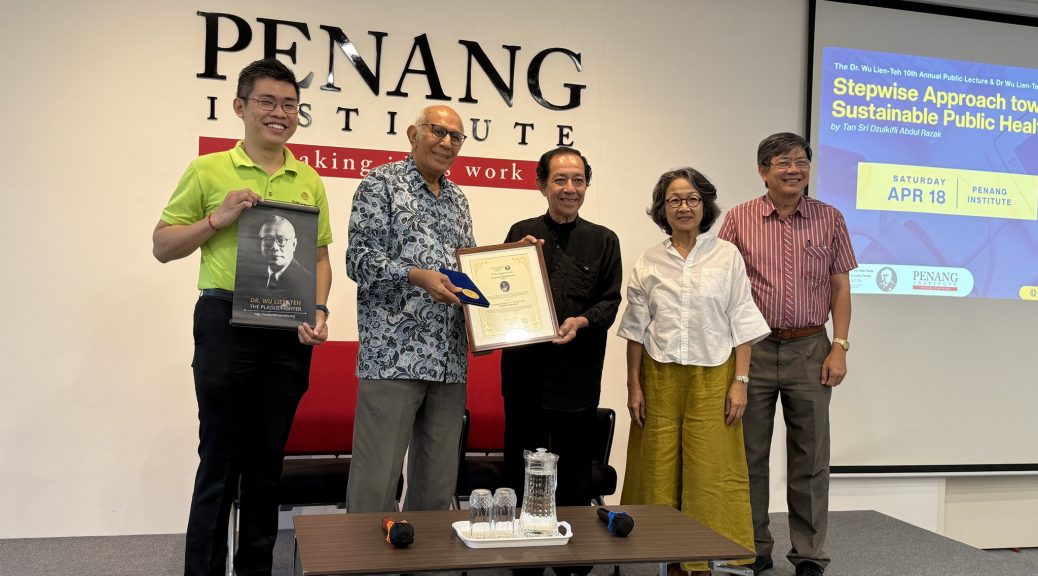
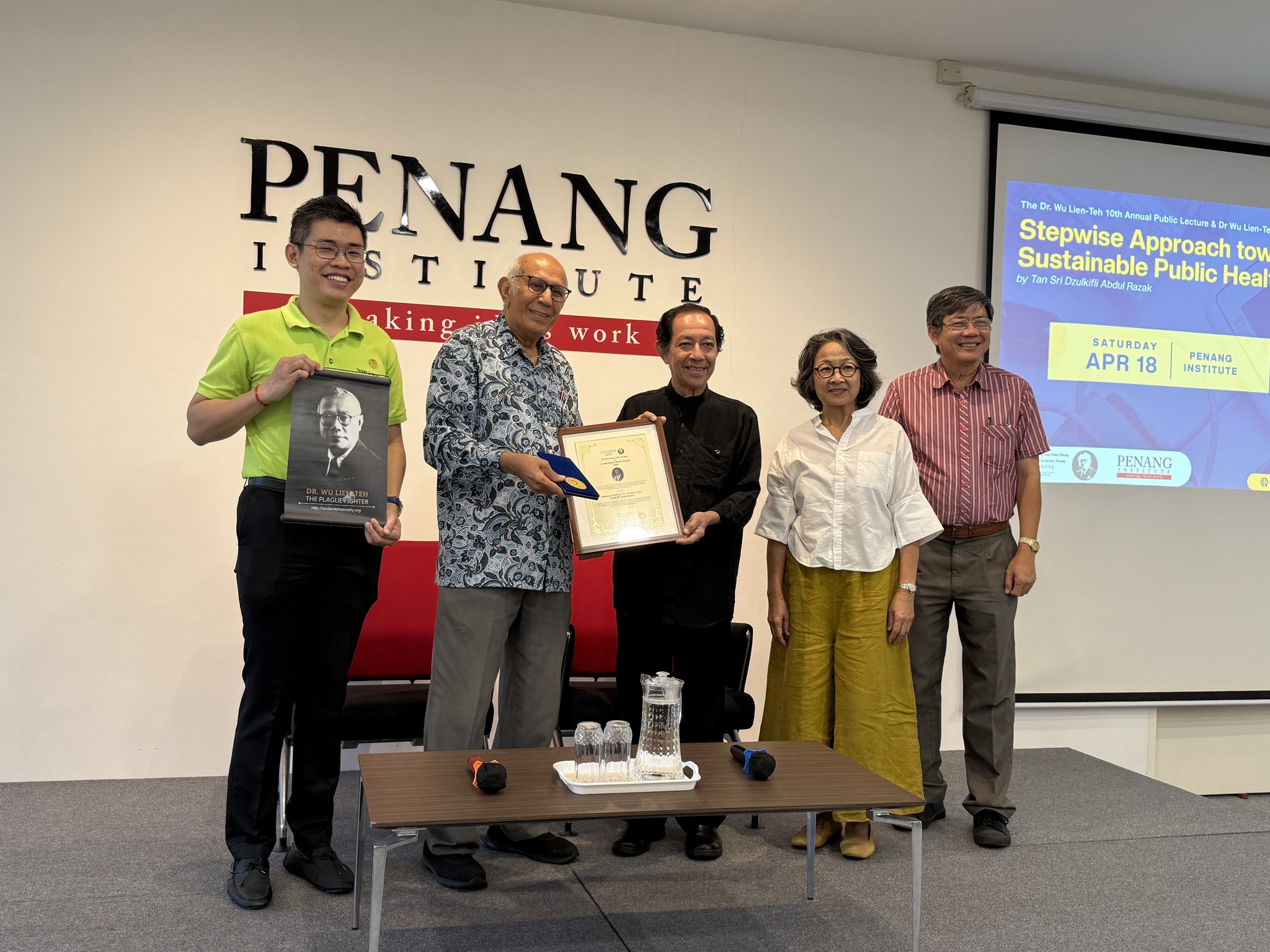
Receiving the Dr Wu Lien-Teh Award for Leadership in Public Health, Professor Dzulkifli delivered a thought-provoking lecture that challenged conventional thinking in healthcare and education.
What does it really take to build sustainable public healthcare?
At the 2026 Dr Wu Lien-Teh Annual Public Lecture, Emeritus Professor Tan Sri Dzulkifli Abdul Razak offered a clear answer: start with people—not systems, not technology, and certainly not silos.
At the heart of his message was a simple but powerful shift:
“It is no longer about livelihood. It is about life.”
Reflecting on lessons from the COVID-19 pandemic, he argued that many existing systems—particularly in healthcare and education—remain fragmented, overly technical, and disconnected from the realities of the communities they serve.
Instead, he proposed a stepwise approach anchored on three key transformations:
- From silos to systems
- From knowledge to lived experience
- From technology-driven to human-centred care
He introduced the idea of moving beyond the traditional “3M” model—manpower, mindset, machine—towards a more meaningful “3H” framework: humanity, heart, and high-touch.
In practice, this means embedding empathy, compassion, and ethical responsibility into healthcare systems—values often overlooked but essential for long-term sustainability.
One of the most striking examples shared was a large-scale initiative involving university students working directly within communities. Instead of learning solely from textbooks, students were required to identify real problems and develop practical solutions on the ground.
“Before this, we learned about poverty in air-conditioned rooms,” one student reflected. “On the ground, we realised the real problems—and the real solutions.”
Professor Dzulkifli also highlighted the concept of Sejahtera—a holistic vision of well-being that integrates physical, emotional, social, and spiritual health—as a foundation for sustainable public healthcare.
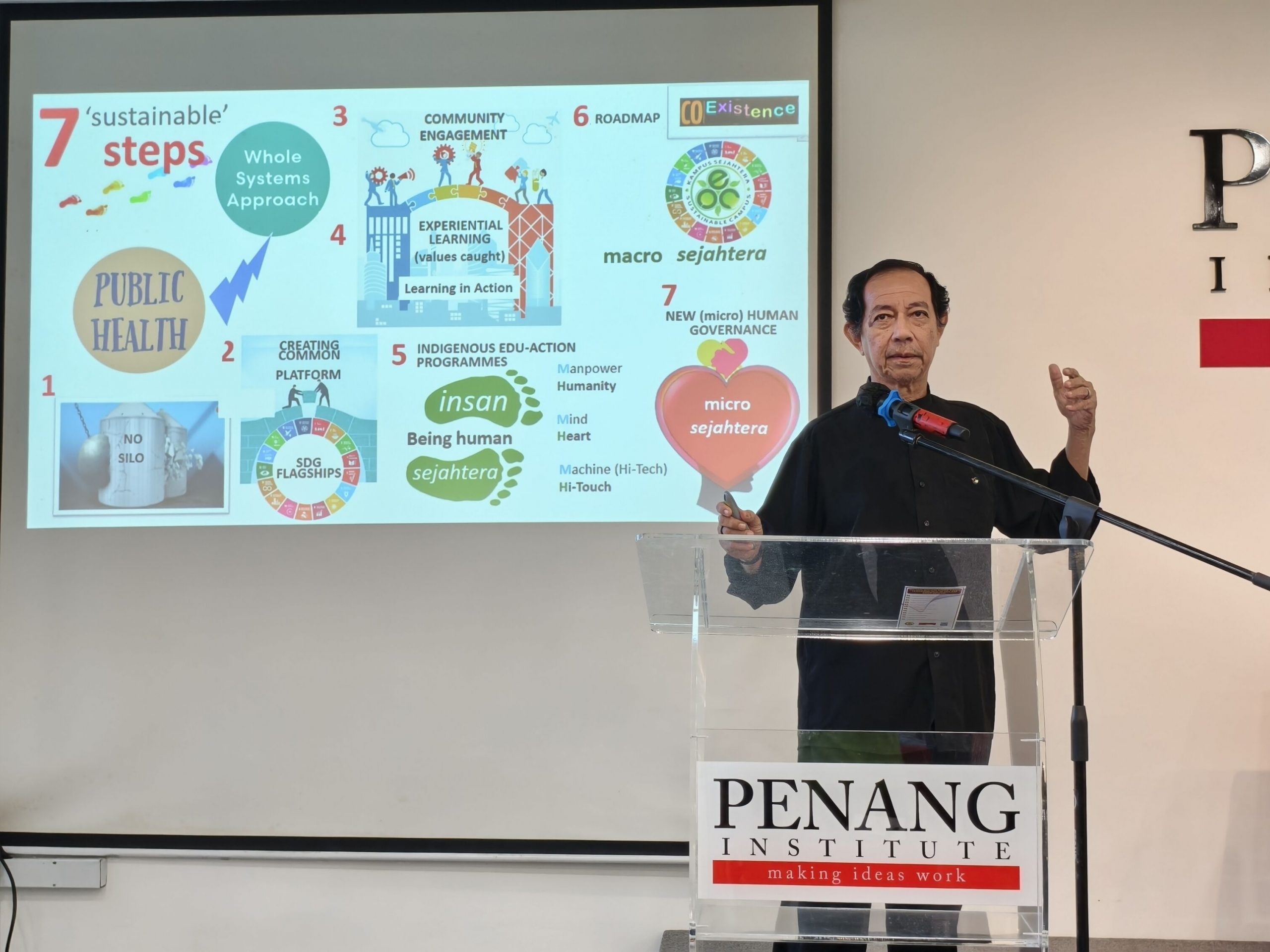
Stepwise Approach for Sustainable Public Healthcare
- Break silos
- Build shared platforms (e.g., sustainability)
- Integrate university + community
- Learn through real-world experience
- Embed values (sympathy, empathy, compassion)
- Apply indigenous and local wisdom
- Transform systems—not just policies
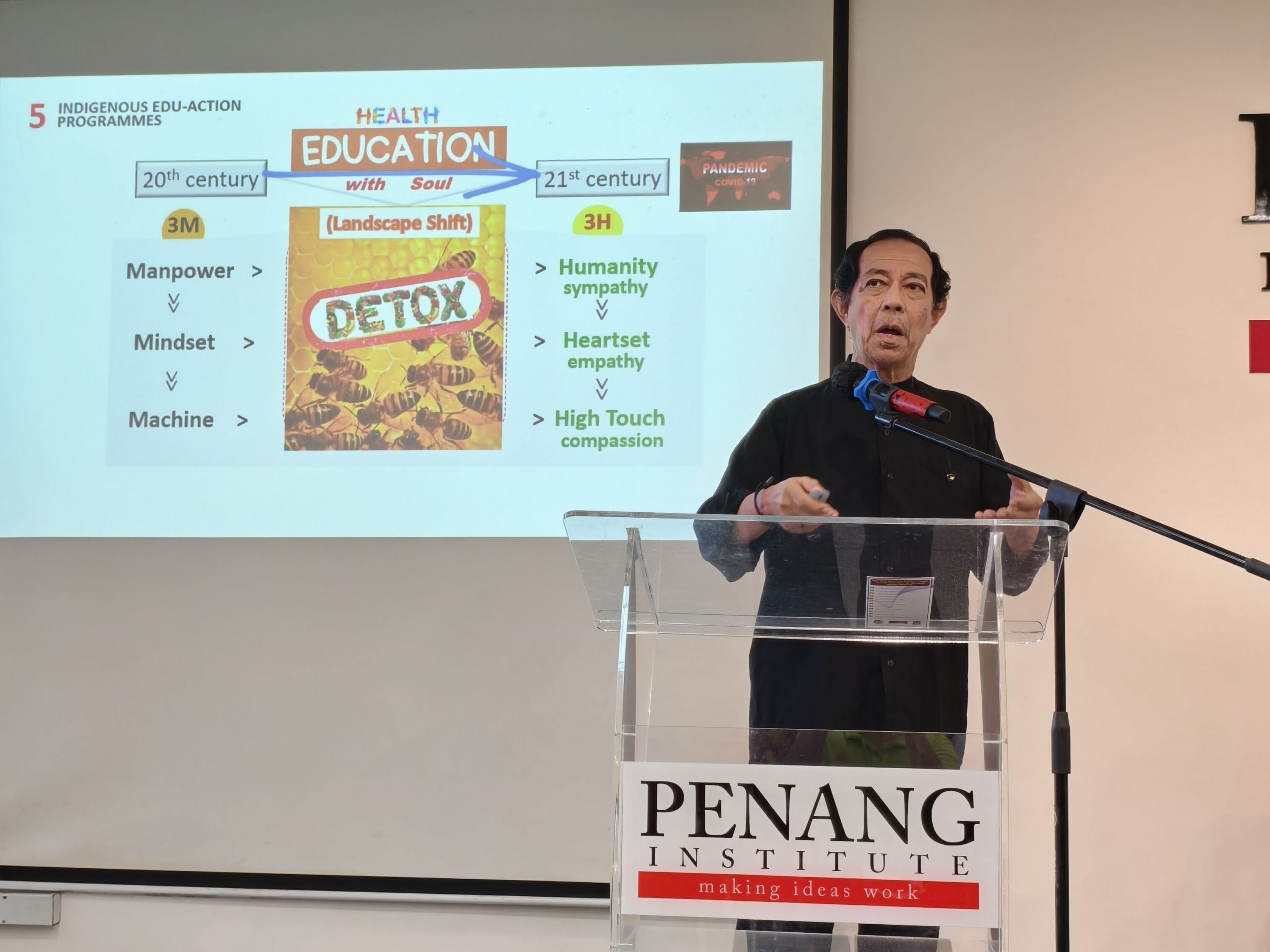
Professor Dzulkifli warned that many systems today are shaped by a “toxic culture”—marked by silos, over-competition, and an overemphasis on metrics at the expense of meaning. He stressed that sustainable public healthcare requires a shift towards values-driven environments grounded in empathy, trust, and shared responsibility.
Besides, Professor Dzulkifli introduced the concept of the “communiversity,” where the boundaries between universities and communities are dissolved. In this model, knowledge and wisdom co-exist—with universities contributing expertise while communities provide lived experience—creating more relevant, grounded, and sustainable solutions to public health challenges.
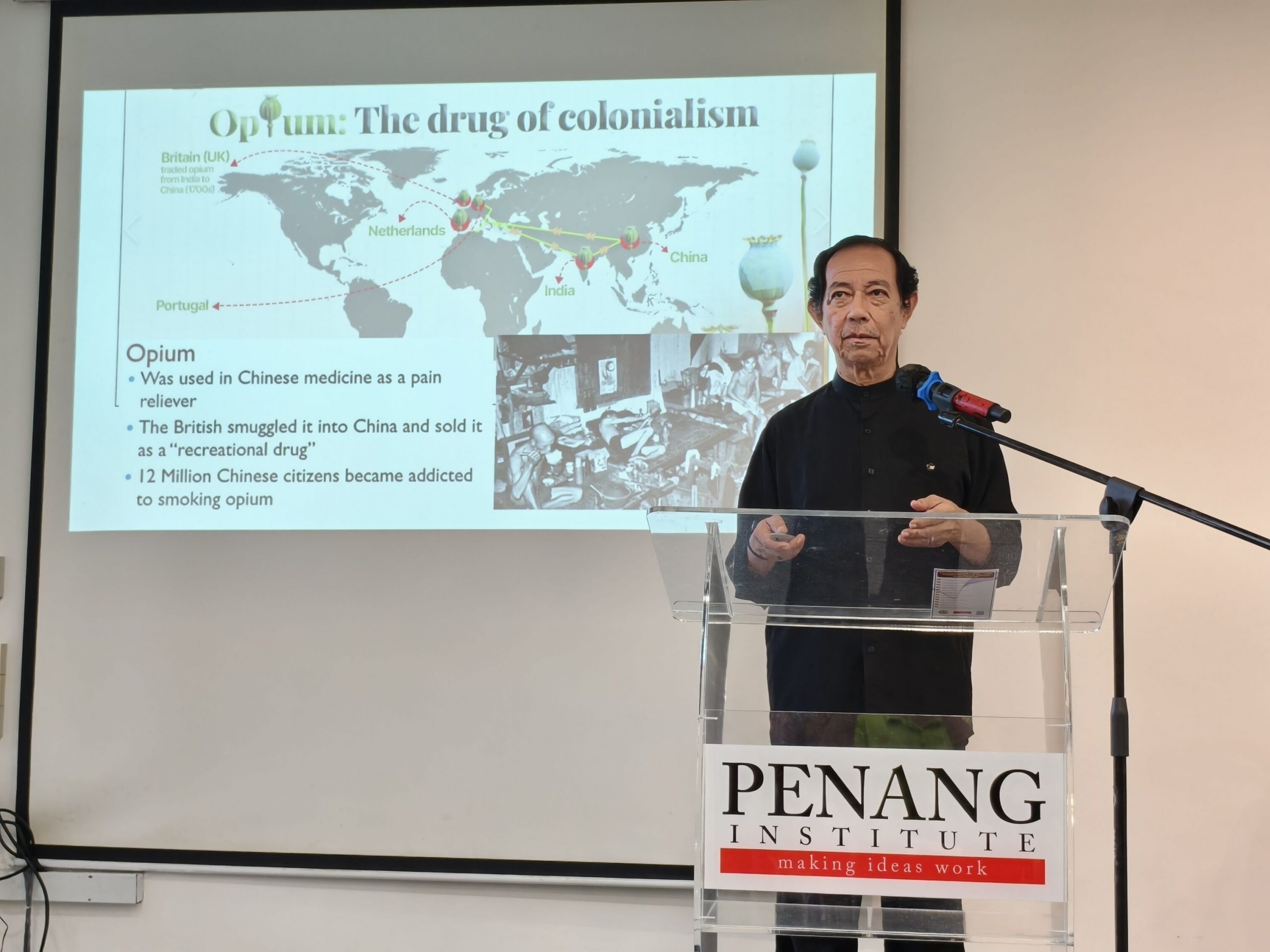
He ended his lecture by highlighting emerging public health threats, he cautioned that “vaping is the new opium,” drawing attention to how modern industries can normalise harmful behaviours under the guise of innovation. He called for stronger public awareness, ethical regulation, and early preventive action, particularly among youth.
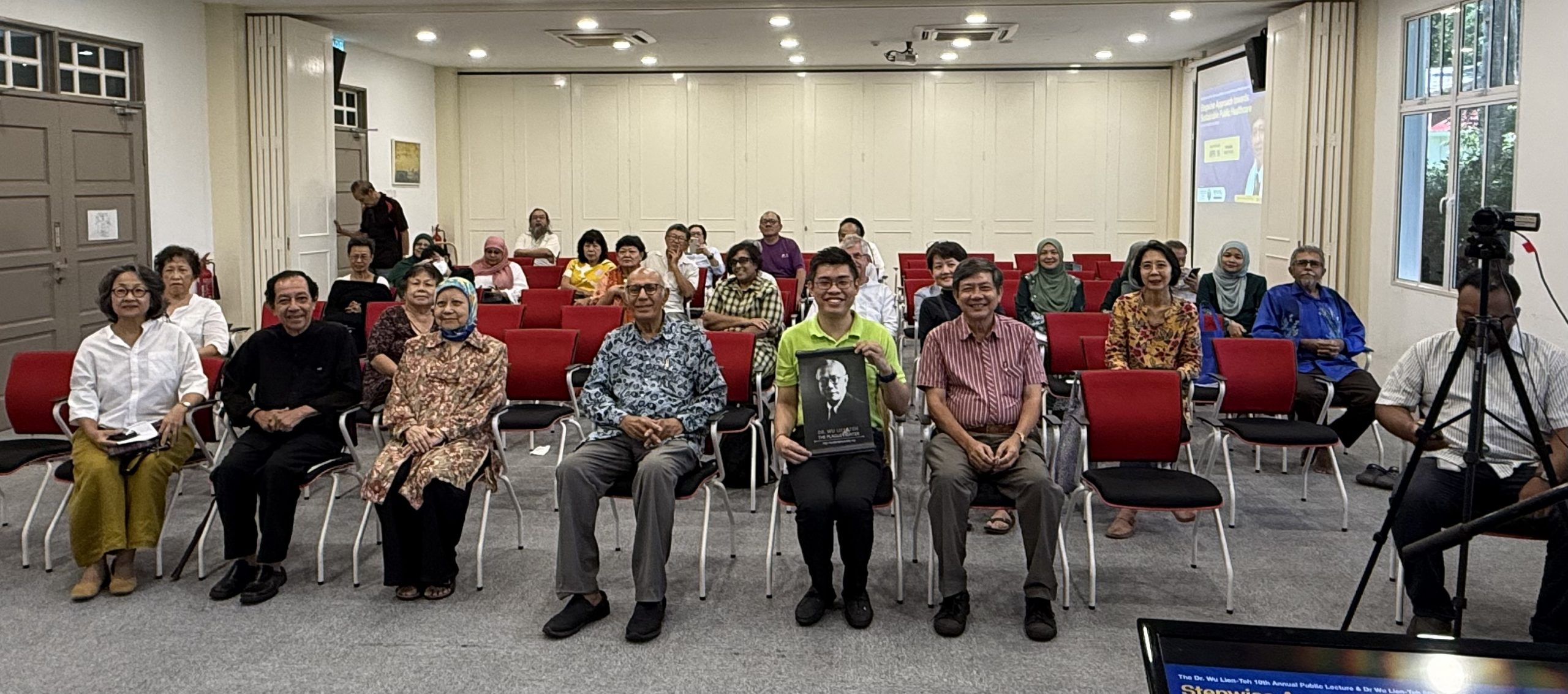
Several quotes from Professor Dzulkifli to ponder about:
“It is no longer about livelihood. It is about life.”
“We are human beings first, professionals second.”
“Universities have knowledge—but communities have wisdom.”
“If you cannot sympathise, you cannot serve.”
“We are not just digital natives—we are spiritual beings.”
“Silos create separation; systems create solutions.”
“Education without values is education without soul.”
“Don’t just study problems—go where they exist.”
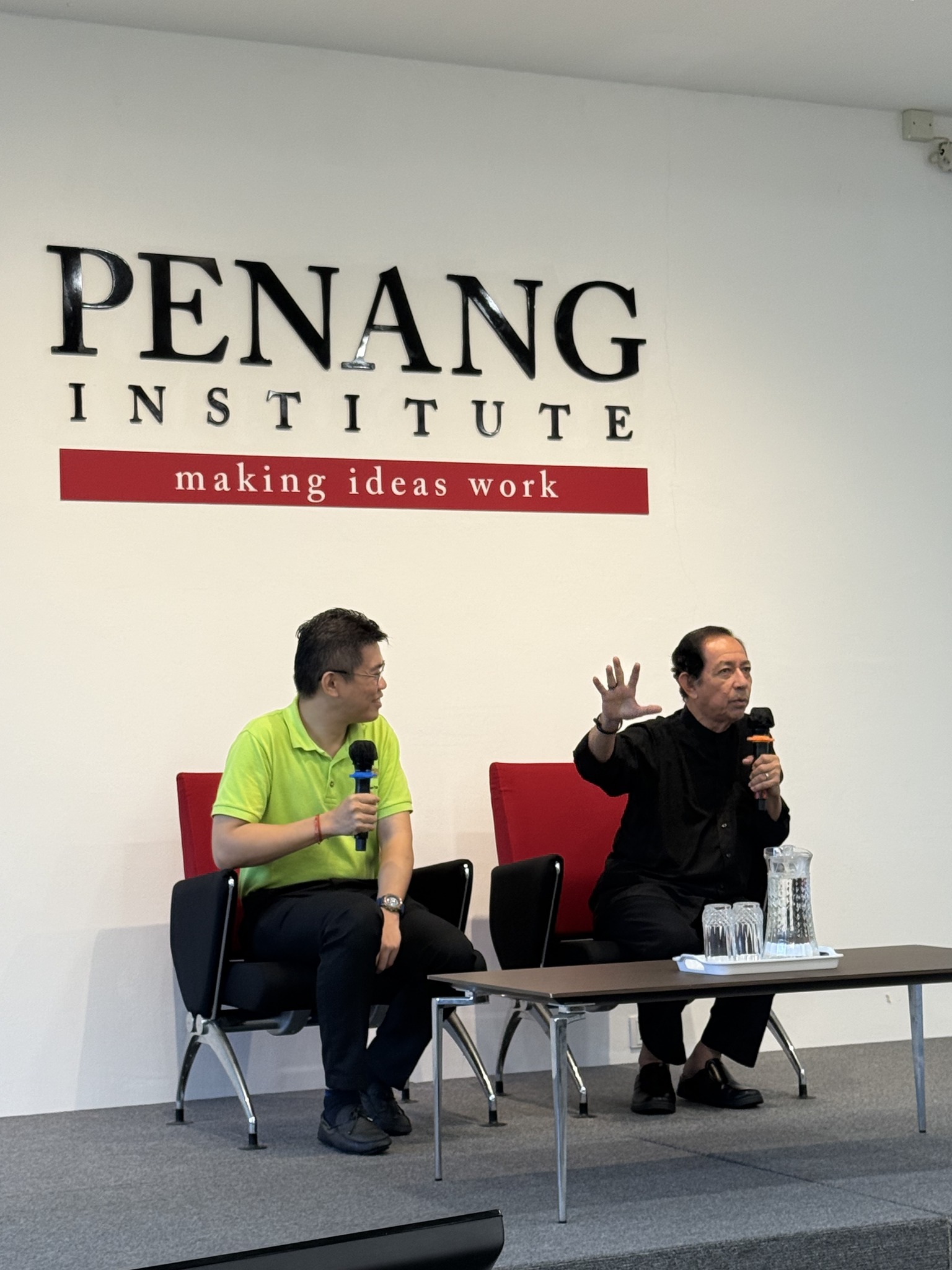
Great wisdom with sense of humour:
“Turns out the best classroom… isn’t a classroom.”
“You can’t solve real problems from air-conditioned theories.”
“Maybe the future of healthcare starts outside the hospital.”
“Less PowerPoint, more ground work.”
“Sustainable healthcare: not just high-tech, but high-touch.”
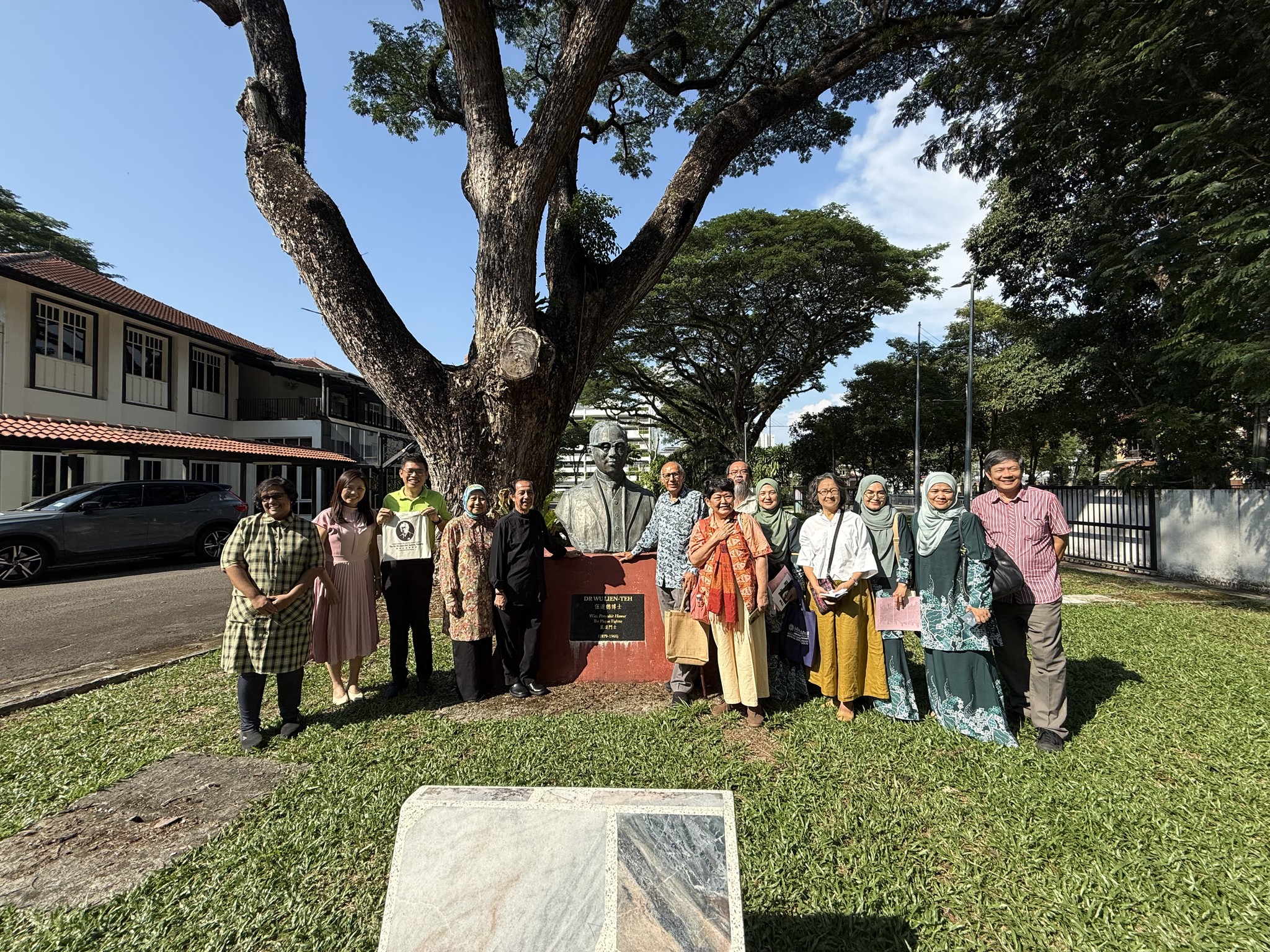
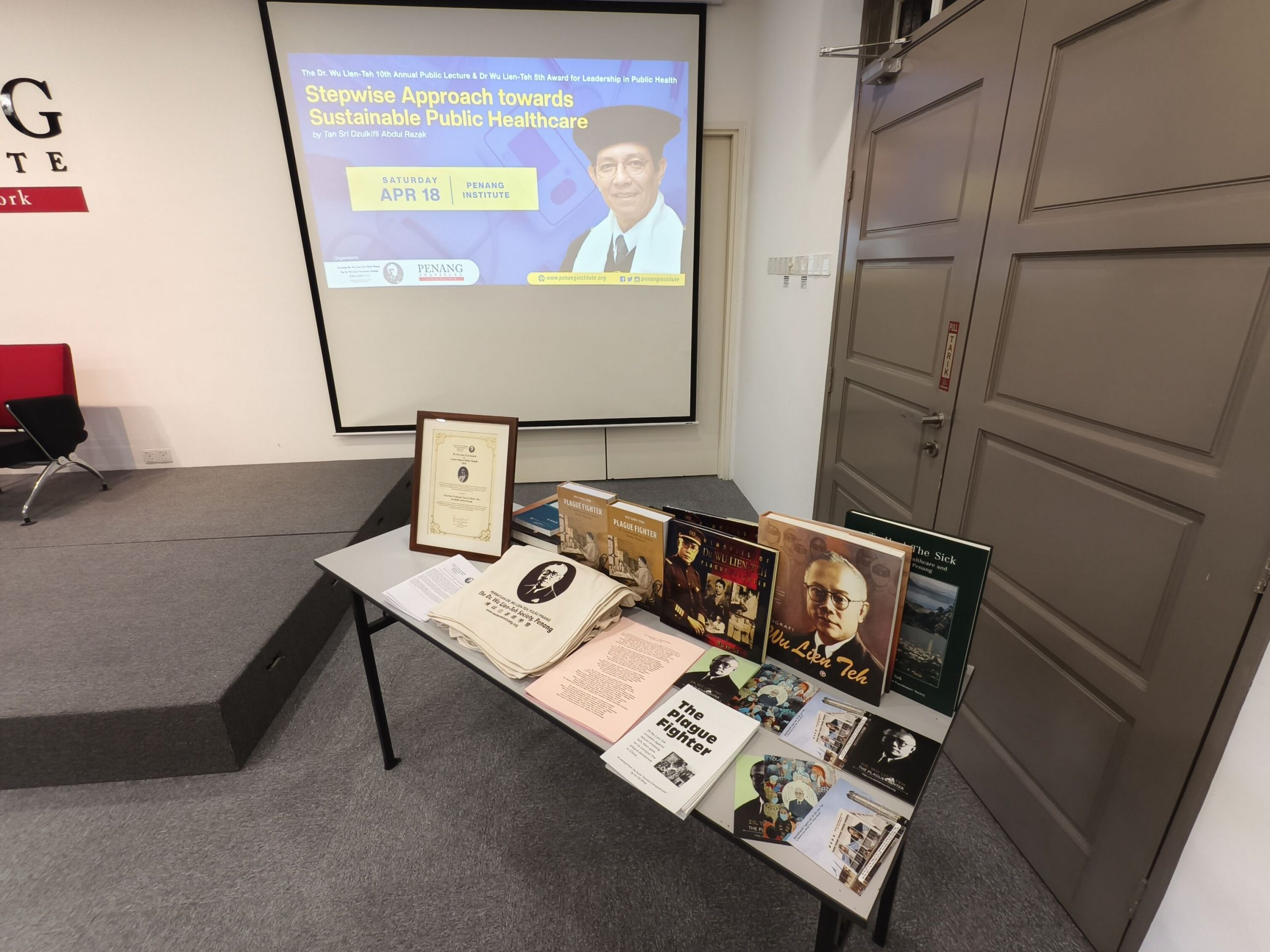
The Society established the Dr. Wu Lien-Teh Award for Leadership in Public Health in March 2022 to recognize exemplary leaders and their outstanding contributions to the field of public health. Their passion and determination to make a difference for mankind. Their fighting spirit is infectious and their achievements continue to inspire others. The recipient will be invited to deliver the named Annual Public Lecture of the year. The inaugural awardee was Tan Sri Dato’ Seri Dr. Noor Hisham bin Abdullah, Director-General of Health, Malaysia in 2022; followed by Professor Tan Sri Dr. Jemilah Mahmood, Executive Director and Professor of Global Health Sunway Centre for Planetary Health, Sunway University in 2023; Professor Dato’ Dr Adeeba Kamarulzaman, President and Pro Vice-Chancellor, Monash University Malaysia; and Professor Dr. Nanshan Zhong, Director, Guangzhou Laboratory in 2025. Funding of this award is supported by our International Advisor, Dato’ Seri Cheah Cheng Hye.
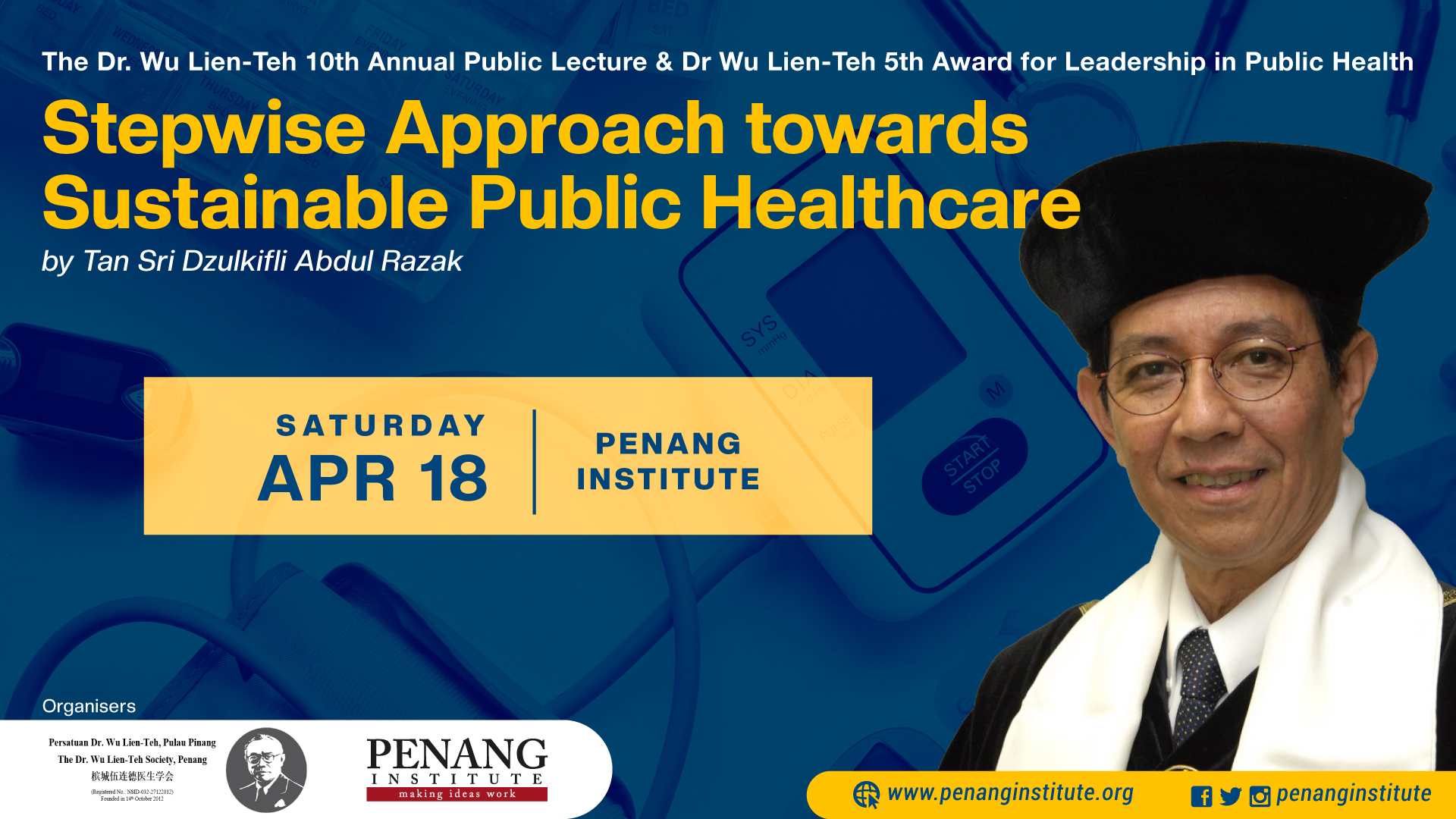
Award Recipient Biography
Emeritus Professor Tan Sri Dato’ (Dr) Dzulkifli Abdul Razak is a distinguished Malaysian academic, pharmacist, and global leader in public health, higher education, and sustainable development. He has held key leadership roles including Rector of the International Islamic University Malaysia (2018–2024), Vice-Chancellor of Universiti Sains Malaysia (2000–2011) and Albukhary International University (2011–2014), as well as Chairman of the Board of Directors of Universiti Sains Islam Malaysia (2016–2018) and its Distinguished Fellow and Inaugural Chair of Islamic Leadership (2014–2016). Internationally, he served as the 14th President of the International Association of Universities (2009–2012), becoming the first and only Malaysian to hold this UNESCO-affiliated position.
He is widely recognised for his pioneering contributions to public health, particularly in rational drug use, poison control, and community health education. As Founding Director of the National Poison Centre at Universiti Sains Malaysia, he established a nationally and regionally influential centre for poison information, prevention, and management, while advancing broader initiatives in chemical safety, tobacco control, and safe medication practices. Through sustained public engagement and outreach, he significantly strengthened health literacy and preventive health awareness across diverse communities.
Professor Tan Sri Dzulkifli has contributed extensively at the global level through his work with the World Health Organization, including service on the Expert Advisory Panel on Drug Policy and Management, the WHO Scientific Committee on Tobacco Product Regulation, and the WHO Committee on Essential Medicines. He also led the WHO Collaborating Centre for Drug Information (Western Pacific Region) and advised multiple countries across Africa, Asia, and the Pacific. His collaborations with international organisations have further advanced equitable access to safe, effective, and affordable medicines worldwide.
His contributions have been recognised through numerous honours, including the Olle Hansson Award (1999)—as its pioneering Malaysian recipient—for advocacy in the rational use of medicines. He has also received the Global Leadership Scholar Award (2000), the Gilbert Medal (2017), Tokoh Akademik Negara (2017), and the Order of the Rising Sun from Japan (2019).
We were proud to have Emeritus Professor Tan Sri Dato’ (Dr) Dzulkifli Abdul Razak, Universiti Sains Malaysia as the fifth recipient of the Dr Wu Lien-Teh Award for Leadership in Public Health. He was awarded in recognition of his visionary leadership in public health, integrating scientific excellence with ethical stewardship through his pioneering work in poison control, rational drug use, and global health policy. His lifelong dedication to advancing community health and sustainability continues to inspire transformative change locally and internationally.